Unifying Colombia’s Home Healthcare: The Colombian Association of Home Healthcare Institutions’ Vision for the Future
Unifying Colombia’s Home Healthcare: The Colombian Association of Home Healthcare Institutions’ Vision for the Future
Thursday, 02 July 2025
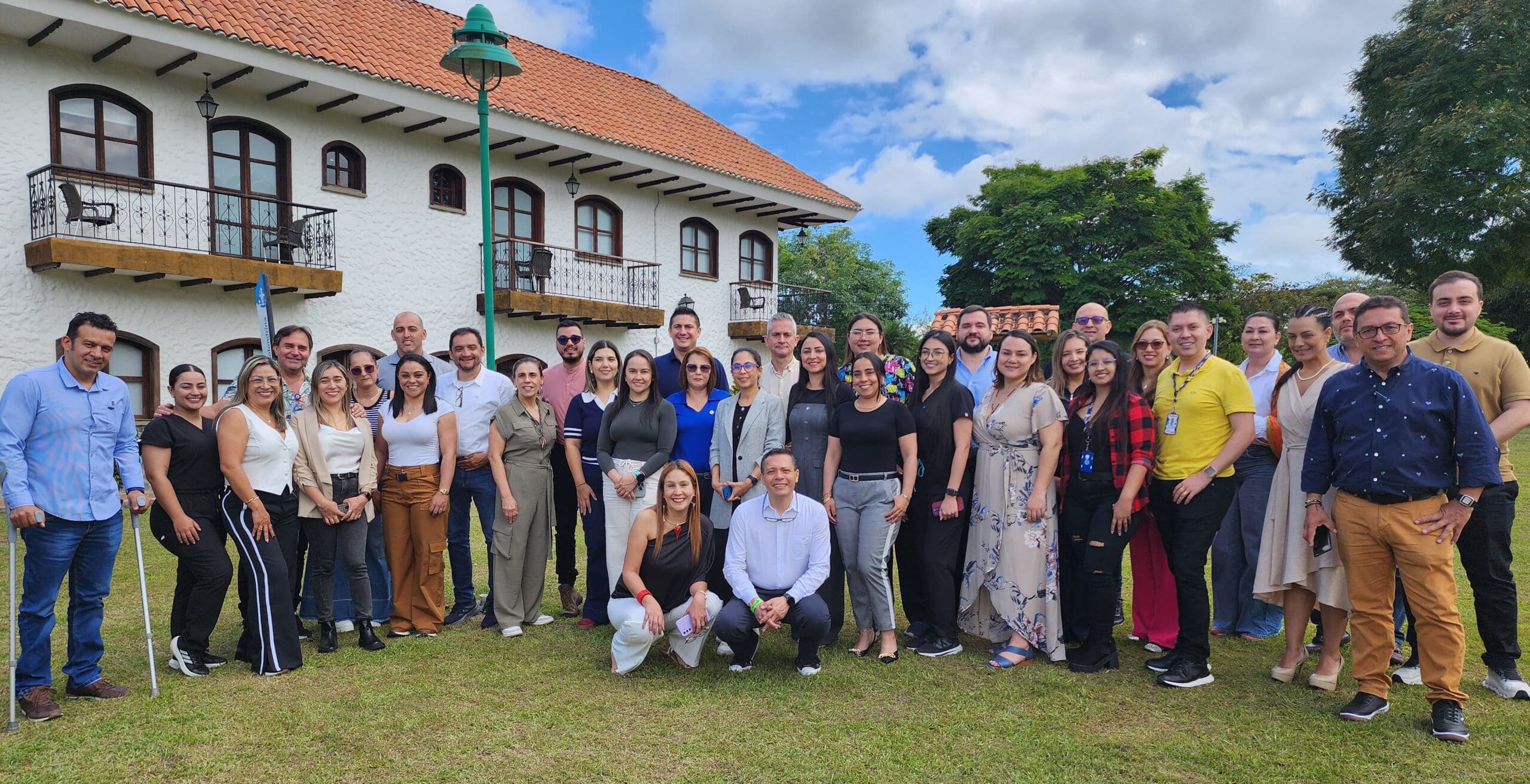
1. Can you provide an overview of the ACISD (Colombian Association of Home Healthcare Institutions)? What is its mission and key objectives?
The Colombian Association of Home Healthcare Institutions (ACISD) is a professional guild founded in 2019 by 12 pioneering healthcare providers. Today, ACISD brings together over 36 affiliated institutions with a presence in 24 departments across Colombia, representing more than 15,000 health professionals and technicians, and supporting over 10M home healthcare services per year.
Our mission is to serve and integrate our members within a technical-scientific framework, recognizing their contribution to healthcare delivery. We aim to influence public policy, foster knowledge generation, and ultimately benefit Colombian society. By 2026, we aspire to be a consolidated and recognized organization leading the transformation of home healthcare in Colombia and becoming a reference in Ibero-America.
ACISD’s key objectives include:
- Advocating for our members before government entities and other professional associations.
- Promoting trust and collaboration among members.
- Creating value through legal, financial, and operational support, education, joint negotiations, and innovation.
2. What inspired the establishment of the ACISD, and what gap in healthcare delivery does the society aim to address?
The establishment of ACISD was inspired by the growing need to recognize and strengthen home-based healthcare as a fundamental component of the Colombian health system. Before ACISD’s creation in 2019, providers of home healthcare services operated in a fragmented environment with limited representation, little influence on public policy, and few opportunities for collaboration and standardization.
ACISD was founded to fill this gap by uniting institutions under a common vision, advocating for their interests, and promoting the quality, safety, and visibility of home-based care. The association addresses critical issues such as the lack of regulatory clarity, inadequate funding mechanisms, and the undervaluation of professional home care services. It also fosters innovation, education, and research to advance models of care that are person-centered, efficient, and sustainable—especially important in a country with geographic and social disparities like Colombia.
3. The WHAHC community has seen global growth and innovation in home-based healthcare. How has the vision and momentum from WHAHC influenced the formation of the ACISD and its initial strategies?
The WHAHC has been a decisive influence in shaping ACISD’s vision of home-based healthcare. It provided us with a global and holistic understanding of the hospital-at-home model, reinforcing the importance of comprehensive, patient-centered care delivered outside traditional hospital settings. From the beginning, WHAHC’s leadership in fostering international collaboration and innovation has inspired ACISD to aim not only for national integration but also to position Colombia as an active contributor in the global home healthcare conversation.
WHAHC has also served as a platform where we have shared the results of our research efforts. Our scientific contributions have been presented at past World Congresses, strengthening our academic identity and our commitment to evidence-based practice.
Looking ahead, we are eager to deepen our collaboration with WHAHC by offering our virtual education platform—ACISD School—to the Spanish-speaking community around the world. We believe this can be a valuable resource to expand access to training and promote best practices in home healthcare across Iberoamerica and beyond.
4. Has the society drawn inspiration or learned valuable insights from the WHAHC in shaping its approach to hospital-at-home services? Are there specific aspects of the WHAHC that have had a notable impact on the ACISD’s development?
Absolutely. ACISD has drawn significant inspiration from WHAHC, especially in understanding the diversity and adaptability of hospital-at-home models across different health systems. WHAHC has not only influenced our conceptual approach but has also shaped our educational and strategic priorities by highlighting the global best practices in clinical care, operations, and innovation in home-based healthcare.
In fact, several renowned WHAHC leaders have actively contributed to our growth by participating as speakers—both virtually and in person—at our national symposia and international congresses. We’ve had the honor of welcoming Dr. David Levine, Dr. Jared Conley, Dr. Phil Gordon, Dr. Itamar Offer, Dr. Linda DeCherrie, Dr. Karen Titchener, and Dr. Pippa Schulman, whose expertise and vision have enriched our community and broadened our perspective.
Their involvement has been instrumental in connecting ACISD to a global network of thought leaders and in elevating the standard of dialogue around hospital-at-home services in Colombia and Ibero-America.
5. How does the society collaborate with other international organizations or entities in the field of home-based healthcare? Are there any partnerships or collaborations that have been particularly influential in the society’s development?
International collaboration is a cornerstone of ACISD’s mission. We actively engage with organizations and experts around the world to exchange knowledge, promote innovation, and advance the field of home-based healthcare.
A major milestone in this effort was the Second International Congress on Home Healthcare, held in Bogotá in 2023. During this event, we facilitated the founding of ASIADES—the Ibero-American Association of Home Healthcare. This new association, headquartered permanently in Colombia, brings together leading institutions and professionals from across Spain, Portugal, Argentina, Brazil, Venezuela, Ecuador, Peru, Chile, Colombia, and Mexico.
ASIADES aims to strengthen regional cooperation, unify standards, and amplify the voice of the Ibero-American community in global discussions about hospital-at-home models. Through ASIADES, ACISD has become a key hub for cross-border collaboration, academic exchange, and policy advocacy in Latin America and the Iberian Peninsula
6. What challenges did the ACISD encounter during its establishment and early phases, and how were these challenges addressed?
In its early stages, ACISD faced several significant challenges, the most pressing being the lack of recognition and awareness about the value and complexity of home-based healthcare in Colombia. Additionally, the sector was highly fragmented, with limited collaboration between institutions and little representation at the national policy level.
The association was founded in 2019 by 12 pioneering companies from the Bogotá and Cali regions, who believed in the potential of working together to elevate the role of home healthcare. One of our greatest challenges was building trust among providers, who were historically isolated and operating independently.
Through consistent efforts in advocacy, scientific engagement, and value-added services, we have successfully overcome those initial barriers. Today, ACISD has grown to 36 affiliated institutions, with a presence in 24 departments of Colombia, and has positioned itself as a legitimate and influential voice in the healthcare ecosystem.
This growth reflects our commitment to collaboration, transparency, and collective advancement for the benefit of both providers and patients.
7. Can you elaborate on some of the key initiatives or programs that the ACISD has undertaken to promote and enhance hospital-at-home services in Colombia?
- ACISD has launched several strategic initiatives to strengthen and expand hospital-at-home services throughout Colombia. These efforts focus on generating knowledge, building capacity, and creating a favorable environment for the growth of home-based healthcare.
- One of our flagship projects is the Colombian Observatory of Home Healthcare, a unique platform that collects and analyzes relevant data about the sector. It provides evidence-based insights to support decision-making for institutions, professionals, and policymakers.
- We also established a state-recognized research group focused exclusively on home healthcare. This group is registered with Colombia’s Colciencias entity and conducts research on several topics contributing to the scientific development of the field.
- To address the need for specialized training, we created the ACISD Virtual School, which offers online education programs to strengthen the skills of healthcare workers, managers, and administrators involved in home-based care.
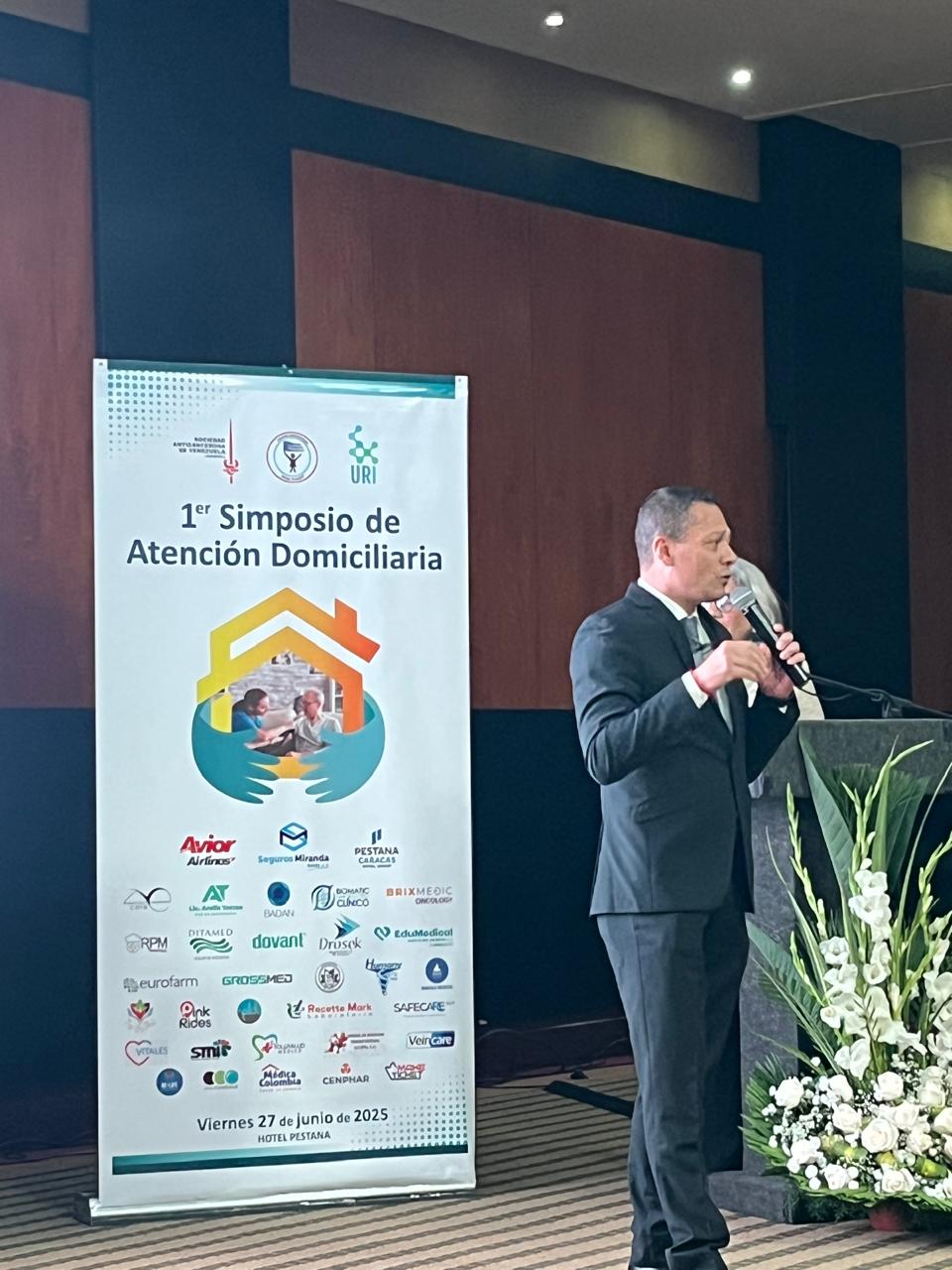
- In addition, we organize high-impact national symposia and international congresses, which serve as vital spaces for sharing experiences, showcasing innovations, and building international collaboration. With around 1000 in person attendants, these events have positioned Colombia as a leader in home healthcare in the Ibero-American region.
Together, these initiatives reflect ACISD’s commitment to quality, education, research, and advocacy in transforming the way healthcare is delivered at home in Colombia.
8. Looking ahead, how do you envision the future of home-based healthcare in Colombia, and what role does the ACISD aim to play in shaping that future?
We envision a future where home-based healthcare becomes a central pillar of Colombia’s health system—one that prioritizes patient-centered, cost-effective, and technologically integrated care. Given the country’s demographic changes, the rise of chronic conditions, and the need to expand access across diverse territories, home healthcare is uniquely positioned to meet these challenges.
ACISD aims to be a driving force in this transformation, promoting policies that recognize and support the sector, and ensuring that home-based care is included in national health planning and financing models. We will continue to advocate for regulatory clarity, investment in innovation, and fair recognition of the workforce that delivers care at home.
Our role will also include expanding training and education, enhancing data collection and research, and strengthening international partnerships to bring global best practices to Colombia. As we move forward, we are committed to making Colombia not only a leader in Iberoamerica but also a model for high-quality home-based healthcare on the global stage.